

The Water Diviner is a sentimental film about war, loss, family and country. It addresses Australia’s elevation of military loss at the Battle of Gallipoli in 1915 (known as Çanakkale Savaşı in Turkey) into a ‘sacred’ national myth about sacrifice and heroism. The plot line of the film is based on Russell Crowe’s character, Connor, who goes to Turkey to recover the bodies of his three young sons who died at Gallipoli and bring them back to Australia.
What I find particularly intriguing is the interaction between former enemies and what it says about empire, war and colonial relations in the world. How does the white British colonial subject of 1915, newly Australian, interact with his former enemy, the Turkish national(ist) subject of the declining Ottoman Empire?
In one scene, provoked into a fit of anger and grief by a British officer, Connor says to Major Hassan Bey, who led the Turkish side, “You killed my sons!” Hassan Bey responds, “You came to our country! You invaded us!” The Turkish major is exposing the myth of heroism and loss that places a higher moral value on the Anzac dead as “innocent victims” of war, killed by the “enemy.”
There are no moral innocents in war, nor empire. Anzac soldiers chose to answer the call to fight for “King and Country” as obedient colonial subjects. So they went and fought and 10,000 of them died, along with some 25,000 British soldiers. But they were invaders, as soldiers of the British Empire who attacked the Ottoman Empire at Gallipoli. This was a war between two empires and the battle was ultimately a costly one. Turkey lost more than 70,000 soldiers, but it won the battle against foreign invaders. The British, the French and the Anzac soldiers ultimately retreated in loss after 8 months of fighting.
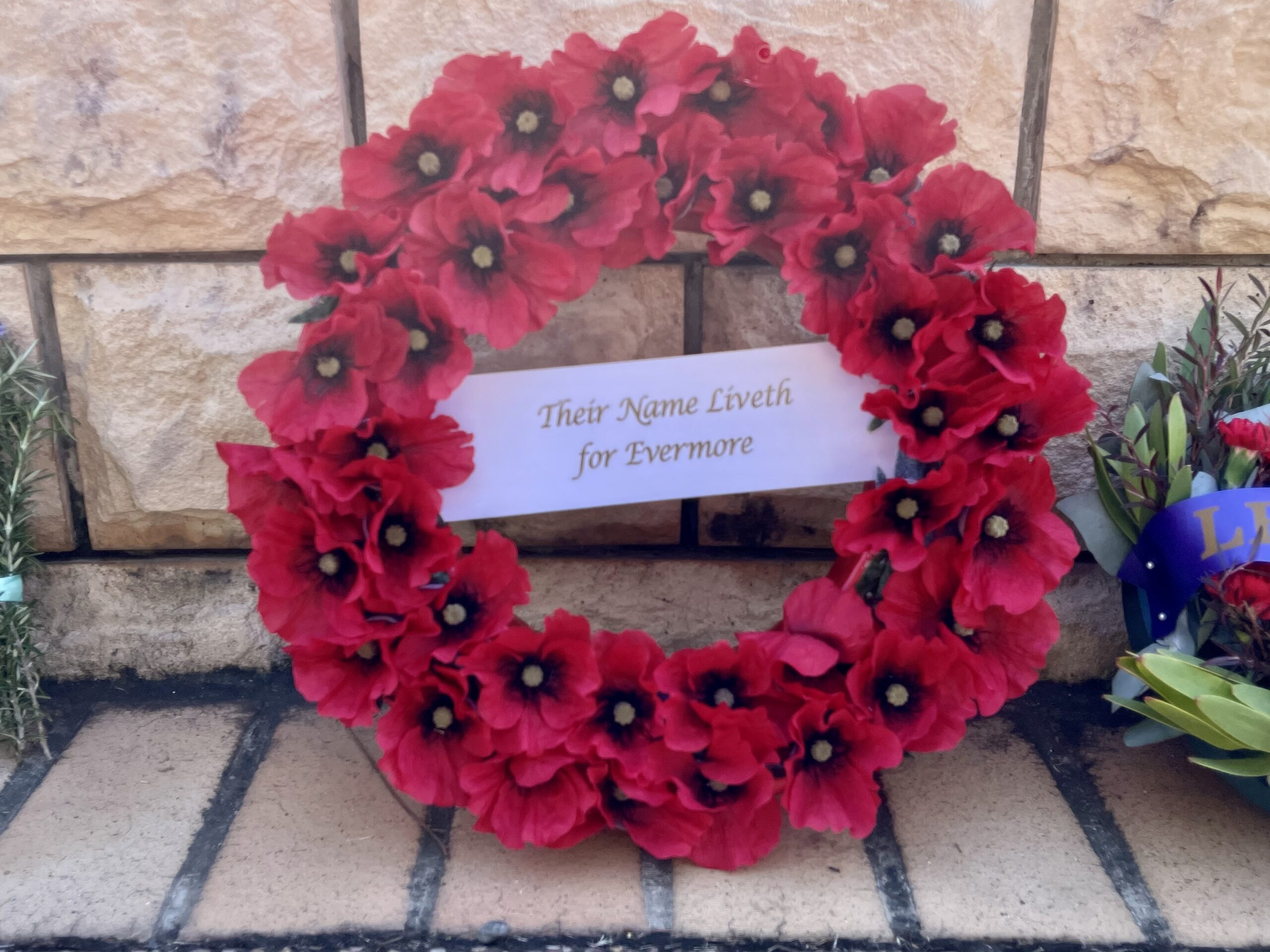
But this loss was turned into a story of heroism and sacrifice by Australians when they returned to their country, commemorated through Anzac Day celebrated on April 25 every year. The film ultimately questions this myth, in its cheesy and sentimental way, and exposes the violence that lies at the heart of colonial relations.

Related Blogs

Reflections on Islam, Muslimness and Decolonisation – I
*Yasin Aktay’s four-part series is a contribution to Critical Muslim Studies that critically engages with S. Sayyid’s Recalling the Caliphate as a means of reflecting on the contemporary manifestations of the Muslim Question.Image credit: photographs by Johanna Loock,...

Reflections on Islam, Muslimness and Decolonisation – II
*Yasin Aktay’s four-part series is a contribution to Critical Muslim Studies that critically engages with S. Sayyid’s Recalling the Caliphate as a means of reflecting on the contemporary manifestations of the Muslim Question.Image credit: photographs by Johanna Loock,...

Reflections on Islam, Muslimness and Decolonisation – III
*Yasin Aktay’s four-part series is a contribution to Critical Muslim Studies that critically engages with S. Sayyid’s Recalling the Caliphate as a means of reflecting on the contemporary manifestations of the Muslim Question.Image credit: photographs by Johanna Loock,...